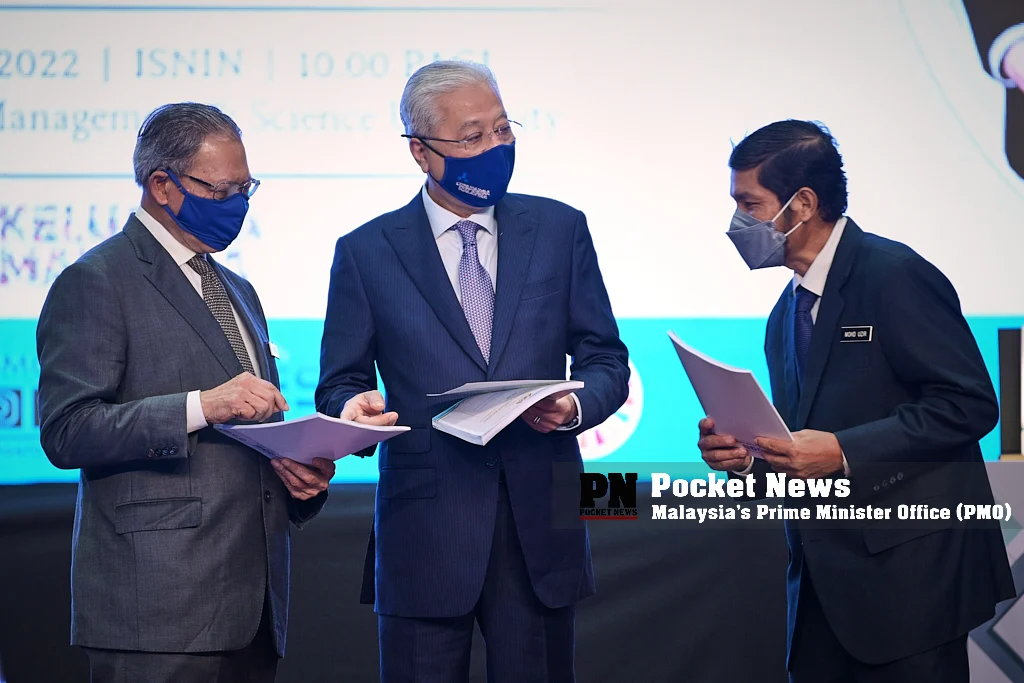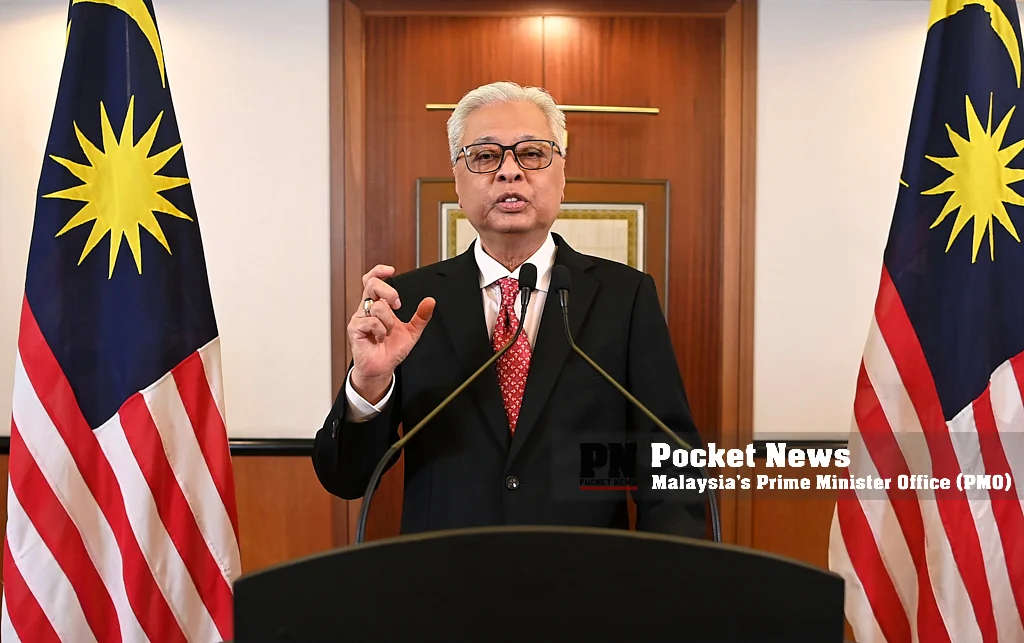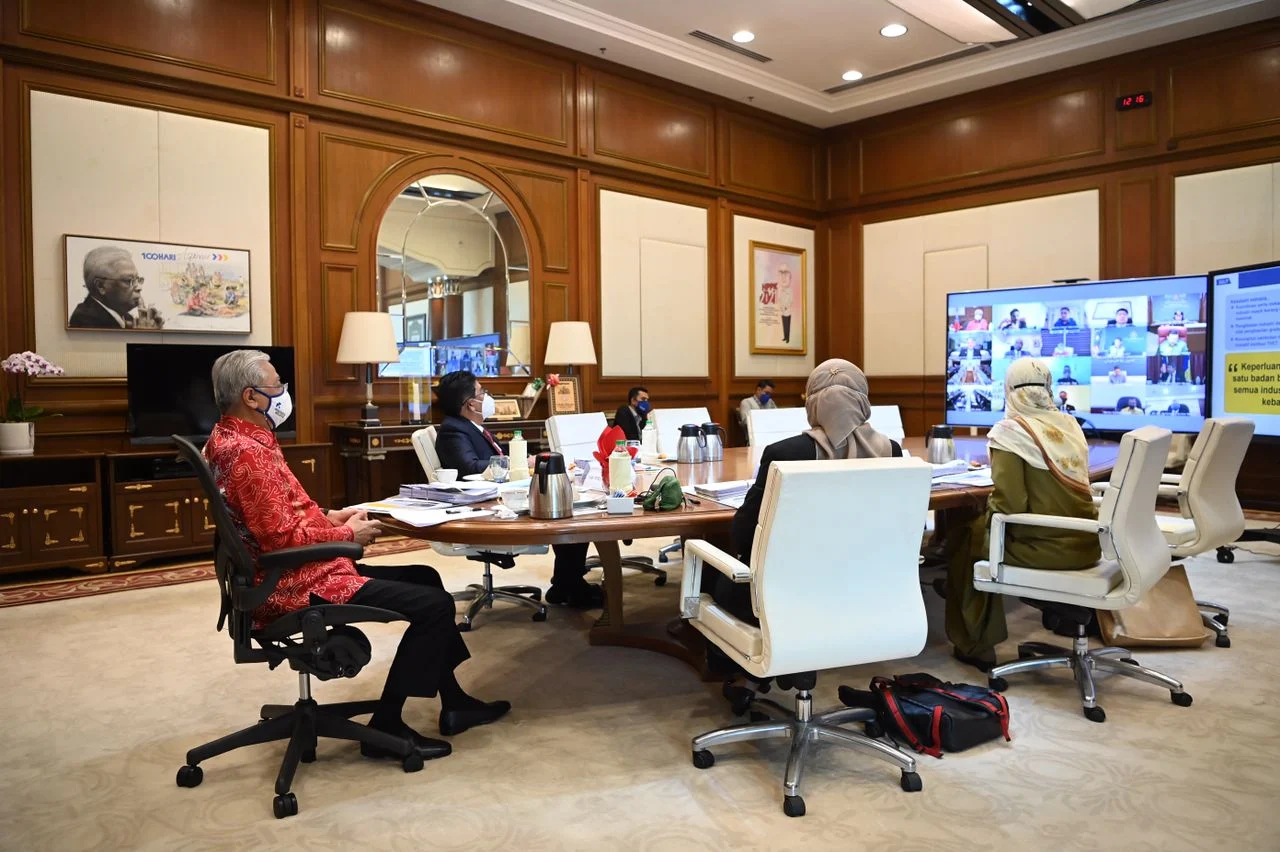



PUTRAJAYA, February 3 – Today I chaired the National TVET Council (MTVET) Meeting by teleconference which was also attended by 13 ministers, industry figures including from the Federation of Malaysian Manufacturers, academics and student representatives.
The MTVET meeting this time has made history by recommending the establishment of the Government-Industry TVET Coordination Body (GITC). For the first time, the industry -led body will be directly involved in the development of the country’s TVET human capital, particularly in relation to skills and manpower requirements.
GITC’s membership consists of 12 associations based on industry sectors that have agreed to work together to achieve the national TVET agenda through GITC. The meeting also agreed on the implementation of the TVET Collaboration Hub, involving 11 ministries and coordinated by the Ministry of Higher Education (MOHE).
This initiative will be a platform for strategic collaboration of expertise, equipment and technology between centers of excellence with TVET institutions, regional economic and industrial authorities. A total of 12 hubs have been identified including automotive, semiconductor, marine, air conditioning, aerospace, robotics, rail, telecommunications, hospitality and tourism as well as food technology to be implemented in the Peninsula, Sabah and Sarawak.
The meeting agreed in principle to the proposed single TVET rating, however a process of engagement with ministries and industry needs to be implemented before it is tabled again in the next MTVET meeting.
This initiative is expected to strengthen the symbiosis of the TVET ecosystem in connecting the parties involved to bridge the gap between labor demand and supply. The efforts undertaken by MTVET are very significant to realize the strategies and initiatives formulated under the 12th Malaysia Plan (12MP).
Under Budget 2022, the government has allocated RM6.6 billion to empower TVET through various initiatives to be implemented by relevant ministries and agencies.
These initiatives will provide graduates who meet the needs of the industry, improve the quality of TVET institutions, strengthen the offering of industry-oriented programs and intensify active industry involvement.
It is time for TVET to be the main choice of youths in preparing themselves for the future because TVET has proven to be able to produce skilled, trained and entrepreneurial individuals.
The Ministry of Education Malaysia (MOE) has been asked to make an initial exposure of the TVET education system to Form 1 students, so that they can make choices that suit their inclinations.
To date, there are 1,295 public and private TVET providers across 11 ministries including 22 state government TVET institutions across Malaysia, which provide certificate and diploma level studies.
The government now recognizes the Malaysian Vocational Diploma (DVM) as a route to a network of public technical universities in Malaysia (MTUN) namely Universiti Malaysia Perlis (UNIMAP), Universiti Teknikal Malaysia Melaka (UTeM), Universiti Tun Hussein Onn Malaysia (UTHM) and Universiti Malaysia Pahang ( UMP).
These elements are able to make a youth more independent and able to adapt to a challenging career environment. Recognizing the importance of TVET, the meeting agreed that campaigns, promotions and rebranding be done comprehensively to dispel the perception that TVET is a second class education and is no longer relevant.
Through these campaigns and promotions, we hope that TVET will be made an option equivalent to academics, thus making it a career of choice like other developed countries.