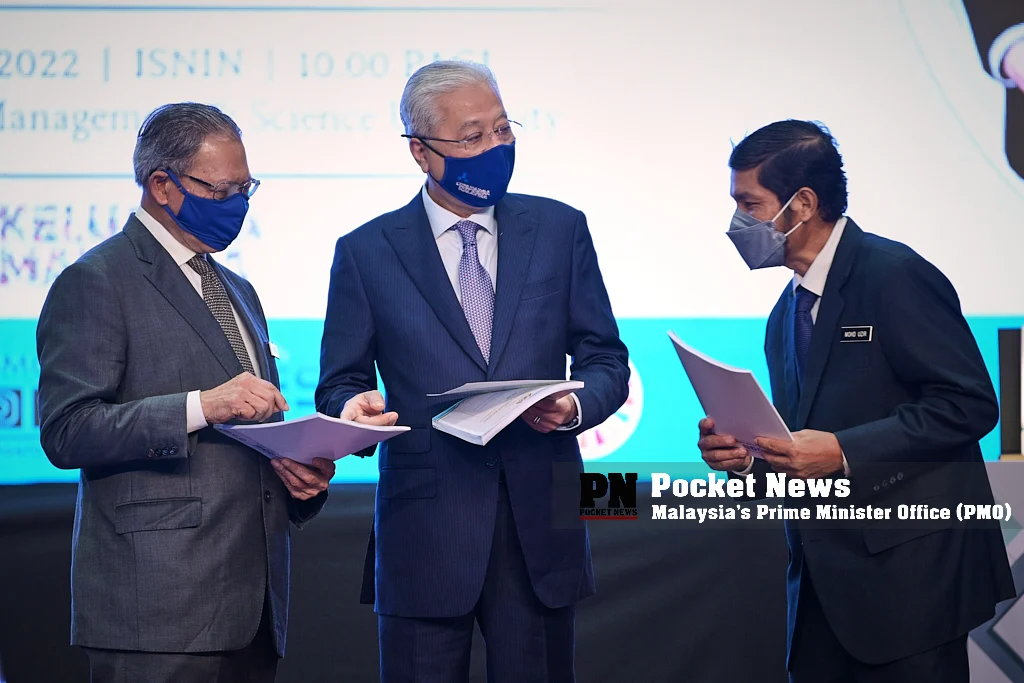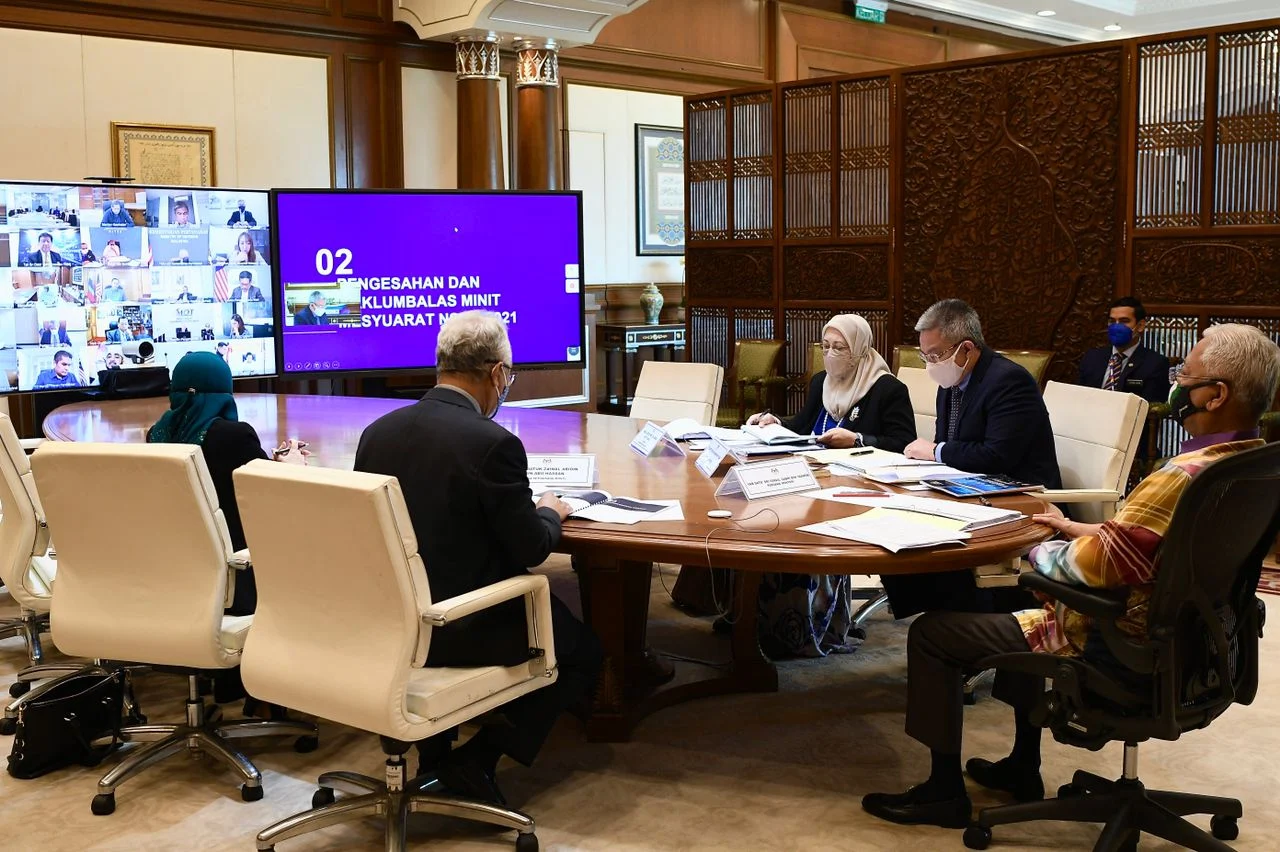



PUTRAJAYA, April 1 4 – The first meeting of the National Science Council (NSC) for 2022 on April 8, 2022 discussed various government efforts to popularize the field of science, technology and innovation (STI) as an enabler for the socio -economic stabilization of the country.
It is based on the three main thrusts of the Malaysian Family, namely inclusion, togetherness and gratitude in line with the 12th Malaysia Plan (12MP). The meeting, among others, discussed the National Nano Technology and Product Roadmap 2021-2025 which should be applied to various industries. This is in line with the Industrial Revolution 4.0 such as smart agriculture, renewable energy, halal industry and medical technology.
The development of nanotechnology products such as vaccines, cancer therapy drugs, medical devices, sensor technology, nano fertilizers, biomass, solar panels as well as sweeteners and flavorings in halal products have high demand in the global market which will boost the country’s economy.
Within five years, the National Nano Technology and Products Roadmap will provide many socio -economic benefits to the country including creating 33,391 job opportunities comprising highly skilled (5,968), semi -skilled (24,755), and 2,668 unskilled workers. The industry is expected to contribute RM151.5 billion to Gross Domestic Product (GDP) over five years.
In addition, the meeting also discussed supply (human capital) and demand (job market) in the Science, Technology, Engineering and Mathematics (STEM) sector which needs a thorough solution to enhance the competitiveness of the country’s STI.
The government takes seriously the number of students in STEM which is currently at 47 per cent, and pure science at 19 per cent. Students’ interest in STEM needs to be enhanced and the Ministry of Education is directed to lead the STEM Roadmap.
The meeting also touched on the importance of highlighting STIs at the community level through Malaysia Social Innovation (MyIS).
This MOSTI effort is a good step in empowering innovation at the grassroots level. This initiative is seen to be able to shift the inclusive distribution of the economy to all income levels, especially B40 and M40 by focusing on the application of local technology at the grassroots level.
The government through the establishment of the National Technology and Innovation Sandbox Initiative (NTIS) has also intensified the commercialization of local innovation products centered on the country’s socio -economic sustainability.
Accordingly, the meeting agreed to improve the governance structure of the NTIS initiative through:
- The NTIS Task Force Committee was renamed the NTIS Steering Committee.
- The NTIS Council was abolished and replaced by reporting to the NSC. NTIS reporting is made a regular agenda in NSC meetings to reduce duplication with existing councils as the NSC is also chaired by the YAB Prime Minister.
- A new NTIS Task Force Committee was created and chaired by the Secretary General of MOSTI.
The meeting also took note of the linkages between human health and nature, biodiversity and climate change.
The COVID-19 pandemic which is one of the zoonotic diseases has resulted in 6.11 million deaths in the world and there are other zoonotic diseases such as dengue and zika which are also caused by the status of increasingly endangered natural conditions.
To ensure Malaysia is one step ahead in addressing this issue holistically, the meeting also agreed that MOSTI through the Malaysian Academy of Sciences (ASM) with the cooperation of all stakeholders to formulate the National Planet Health Action Plan (PTKPN).