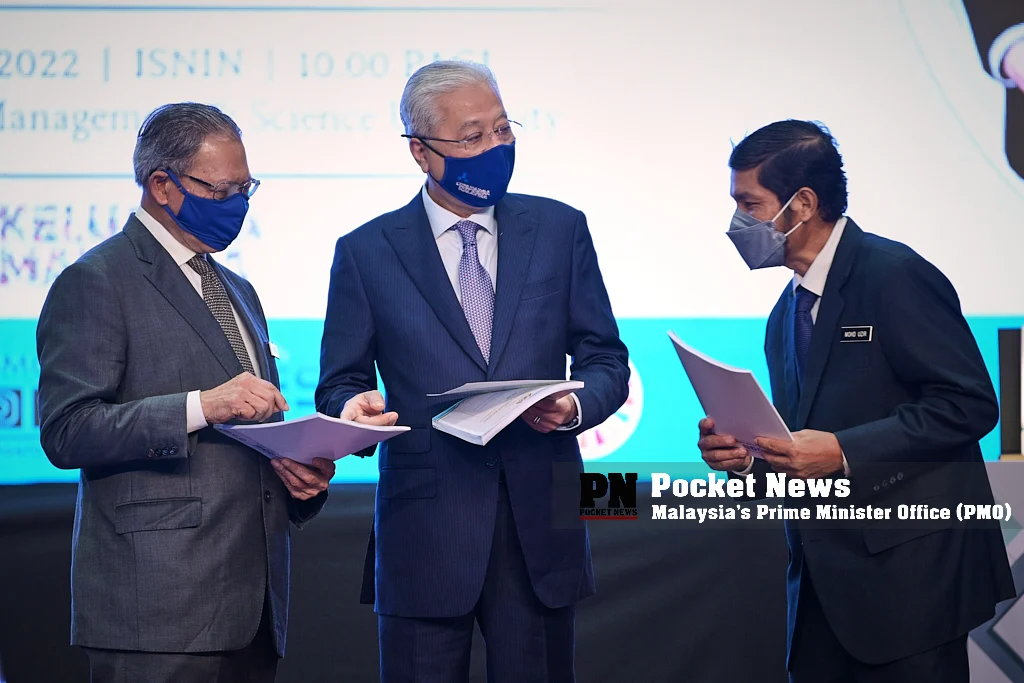


GEORGE TOWN, September 8 – On September 7th, the Department of Food Safety and Quality at the Penang State Health Department commemorated World Food Safety Day, recognizing the global importance of food safety. The theme for this year’s celebration, “FOOD STANDARDS, SAVE LIVES,” as designated by the World Health Organization (WHO), underscores the role of food standards in ensuring the safety and quality of food for all. Food safety is a collective responsibility that extends across the entire food production chain, from farm to table.
Producers involved in food preparation, processing, packaging, and distribution are required to adhere to good safety practices based on the standards set by relevant authorities. In addition to these practices, food labeling plays a pivotal role in ensuring transparency and trust between consumers and producers. Accurate and truthful food labeling provides consumers with vital information about the product’s contents, empowering them to make informed choices. By adhering to food safety standards, producers instill confidence in the public that the food they produce is safe and of high quality, aligning with established food standards.
In line with this year’s theme, the Department of Food Safety and Quality at the Penang State Health Department, in collaboration with Universiti Sains Malaysia, organized a seminar to raise awareness and understanding of the latest provisions under the Food Regulations 1985, as amended by the Food Regulations (Amendment) (No. 4) 2020. These amendments, which will be fully enforced on January 1, 2024, include requirements for quantitative ingredient declaration (QUID), additives, acknowledgments, and nutrition labeling. The sharing session aimed to benefit all stakeholders involved in the food industry.
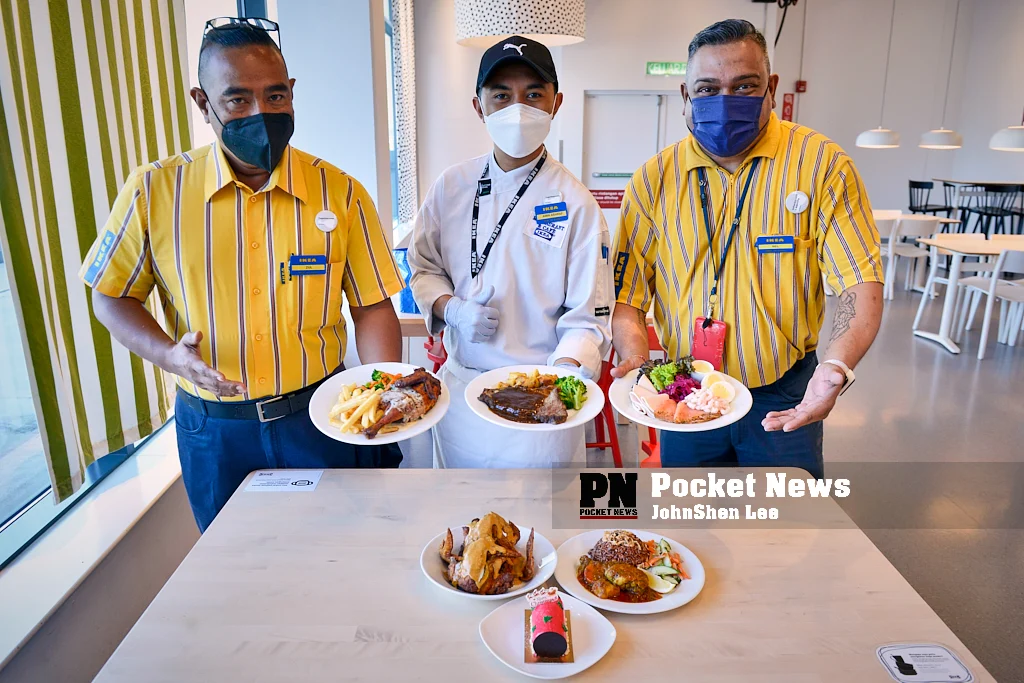
Furthermore, the Department of Food Safety and Quality at the Penang State Health Department organized the Clean, Safe, and Healthy Food Court Award competition. This competition assessed food court premises based on risk-based assessments, food safety, healthy nutrition, and creativity. The top three entries were shortlisted and qualified for the final round of the competition. Food premises owners are also required to establish and implement a Food Safety Assurance Program (PJKM) on their premises, as outlined in Regulation 9, Food Hygiene Regulations 2009.
The Ministry of Health Malaysia (MOH), through the Department of Food Safety and Quality, has introduced several PJKM certifications, including the Food Safety Responsibility of the Industry (MeSTI), Good Manufacturing Practice (GMP), and Hazard Analysis Critical Control Point (HACCP). Other certifications, such as Food Defense, Authenticity, Organic, Ceramic Tableware, and MyFood Tag Registration, have also been introduced. For food outlets such as restaurants, cafeterias, mobile outlets, the Trust Mycatering certification and Bess Recognition are provided to operators who apply and meet food safety criteria.
Home-based food operators selling food from their homes are also required to register under the Home-Based Food Registration program if they meet the eligibility criteria. The Department of Food Safety and Quality at the Penang State Health Department conducts regular inspections and food sampling at the state, district, and entry-point levels to ensure that imported and locally sold food products comply with the requirements of the Food Act 1983 and its subsidiary regulations. From January to July 2023, a total of RM365,225.00 in fines have been issued under the Food Hygiene Regulations 2009, and RM184,500.00 in fines have been issued under the Food Regulations 1985.
In conclusion, consumers play a crucial role in ensuring food safety as the final link in the food chain. Two straightforward methods for consumers to choose safe food include “Observe and Choose” and “Look, Smell, and Taste” before consuming. Together, let us prioritize food safety, as everyone deserves safe and clean food.