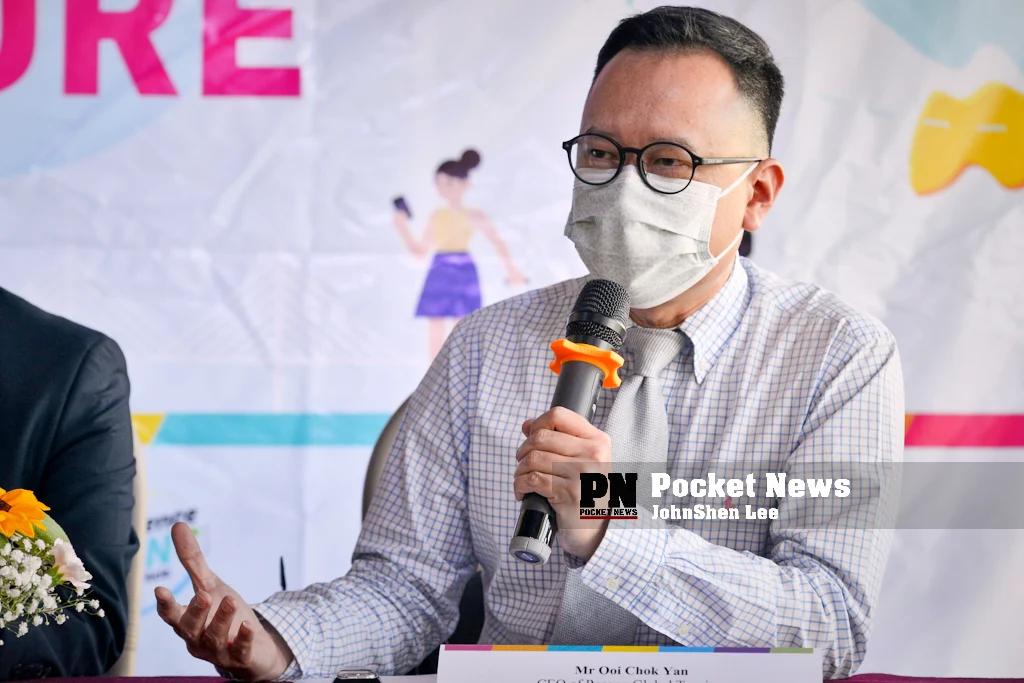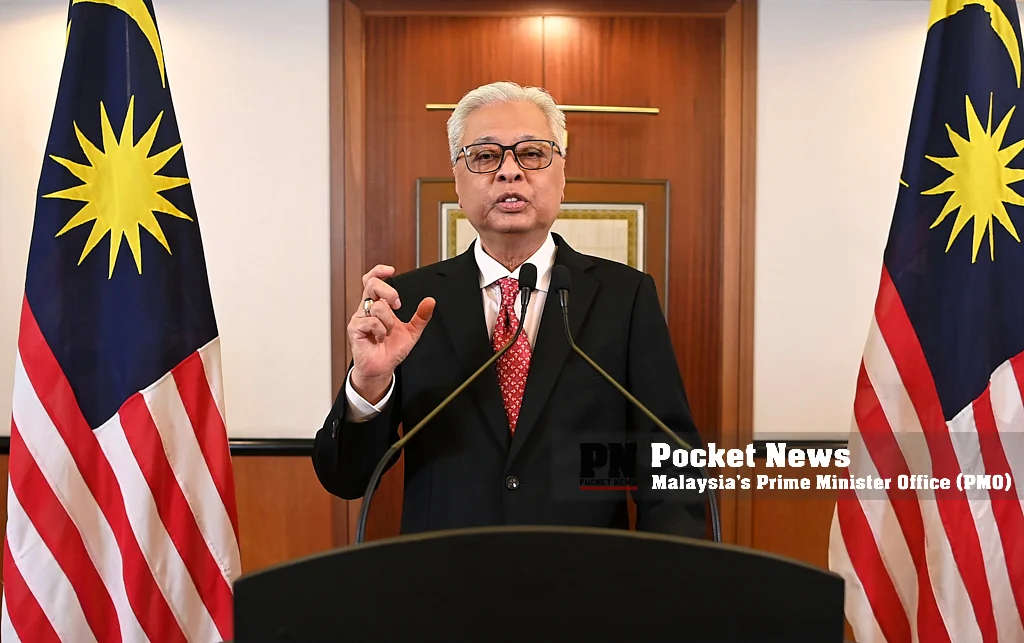


GEORGE TOWN, November 10 — In conjunction with Green Action Week (GAW) 2023, Mr. Mohideen Abdul Kader, President of the Consumers’ Association of Penang (CAP), delivered a speech emphasizing the importance of seed sovereignty. This speech, presented at the GAW 2023 fair, shed light on the critical issues surrounding seed diversity, genetic engineering, and the commodification of seeds in Malaysia. The theme for GAW 2023, “sharing community,” aims to promote sustainable, collaborative, equitable, and creative ways of living in the world.
CAP’s focus for this year’s GAW is seed sharing, with several events organized to raise public awareness about community and farmers’ seed systems, which emphasize seed saving and sharing. Mr. Abdul Kader highlighted the concerning trend of industrial agriculture and commercialization of seeds in Malaysia, leading to the erosion of seed diversity, agrobiodiversity, and the traditional farmers’ seed system. Approximately 90% of vegetable growers in Malaysia rely on imported seeds, a statistic that underscores the global dominance of a few major companies in the seed market.
The global commercial seed market, valued at USD 40.70 billion in 2017, is projected to reach USD 61.32 billion by the end of 2025, with some major players also involved in the agrochemical market. This often results in bundled seed and agrochemical sales, raising concerns about the impact on agricultural practices and environmental sustainability. CAP’s campaign seeks to mainstream the farmers’ seed system and community seed reserves. This is achieved through raising awareness of local and indigenous plant varieties and promoting seed saving and sharing among farmers and gardeners.
Multiple community seed reserves have been established in collaboration with organizations like Inisiatif Rizab Benih Komuniti. The speech highlighted the impacts of genetic engineering and seed commercialization in Malaysia. Since 2010, Malaysia has allowed the import of 57 genetically modified events for food, feed, and processing, including maize, soybean, potato, alfalfa, sugar beet, cotton, canola, and oilseed rape. Additionally, CAP has been advocating against Malaysia’s participation in the International Convention for the Protection of New Varieties of Plants (UPOV91). UPOV91 could impose restrictions on the use of farm-saved seeds and propagating materials of PVP-protected varieties, limiting farmers’ rights.
Mr. Abdul Kader stressed the importance of seed sovereignty, particularly in the face of challenges like climate change and pest attacks. He called for collective action to protect seed diversity, educate future generations about its significance, and promote food security. CAP organized an art competition and collage-making event on the theme “Seeds are Our Heritage” involving schools in Penang. These events aimed to educate children about seeds in a creative and engaging manner.
The GAW fair also featured speakers sharing knowledge about heirloom seeds, seed collection, and saving methods, as well as sprouting techniques and making nutritious drinks from nuts. The event further encouraged seed sharing as a means to enhance resilience, agrobiodiversity, and seed sovereignty. Mr. Abdul Kader concluded by emphasizing the importance of saving and sharing seeds, preserving our natural heritage, and ensuring they are not commodified for the benefit of a few. Seed sovereignty, he noted, should be a shared commitment among all members of the community.