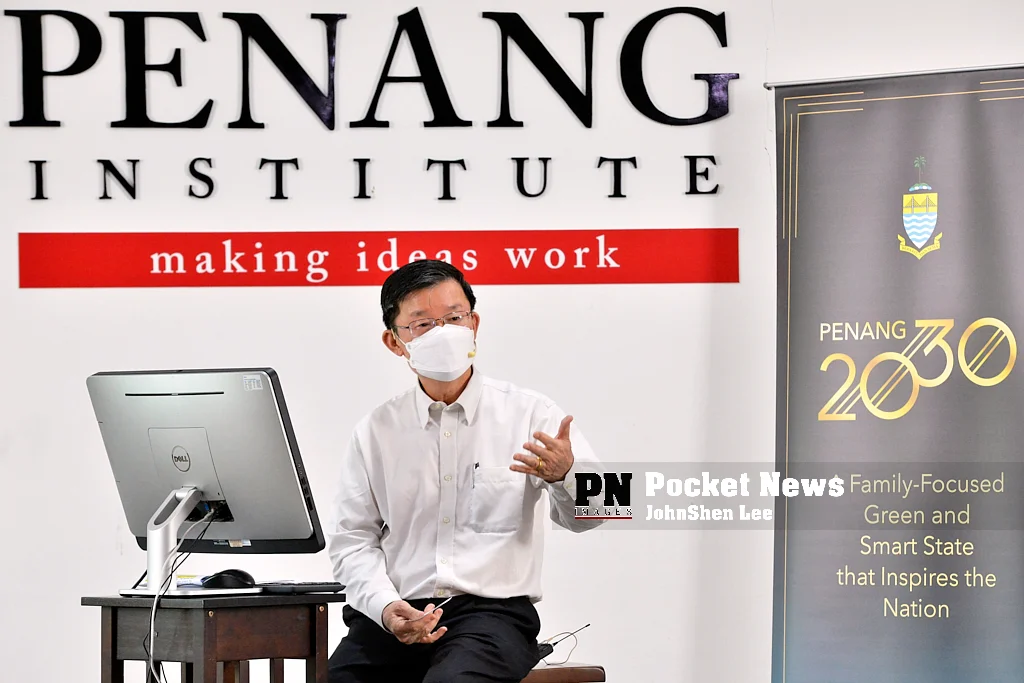



GEORGE TOWN, June 27 — PBA Holdings Bhd (PBAHB) marked a milestone at its 25th Annual General Meeting with the approval of a final dividend of 2.25 sen per share, resulting in a projected RM7.5 million payout to over 7,000 shareholders. This marks the 24th consecutive year of dividend distribution.
In 2024, PBAHB and its subsidiary, PBAPP, set historic benchmarks, including the highest-ever net profit of RM144.2 million and an average treated water production of 1,208 million litres per day (MLD), backed by a 30% water treatment reserve margin.
Despite these achievements, the company underscored that revenue from the 2024 water tariff revision will not be sufficient to fund the RM2.099 billion required for six new water infrastructure projects under the Water Contingency Plan 2030 (WCP 2030).
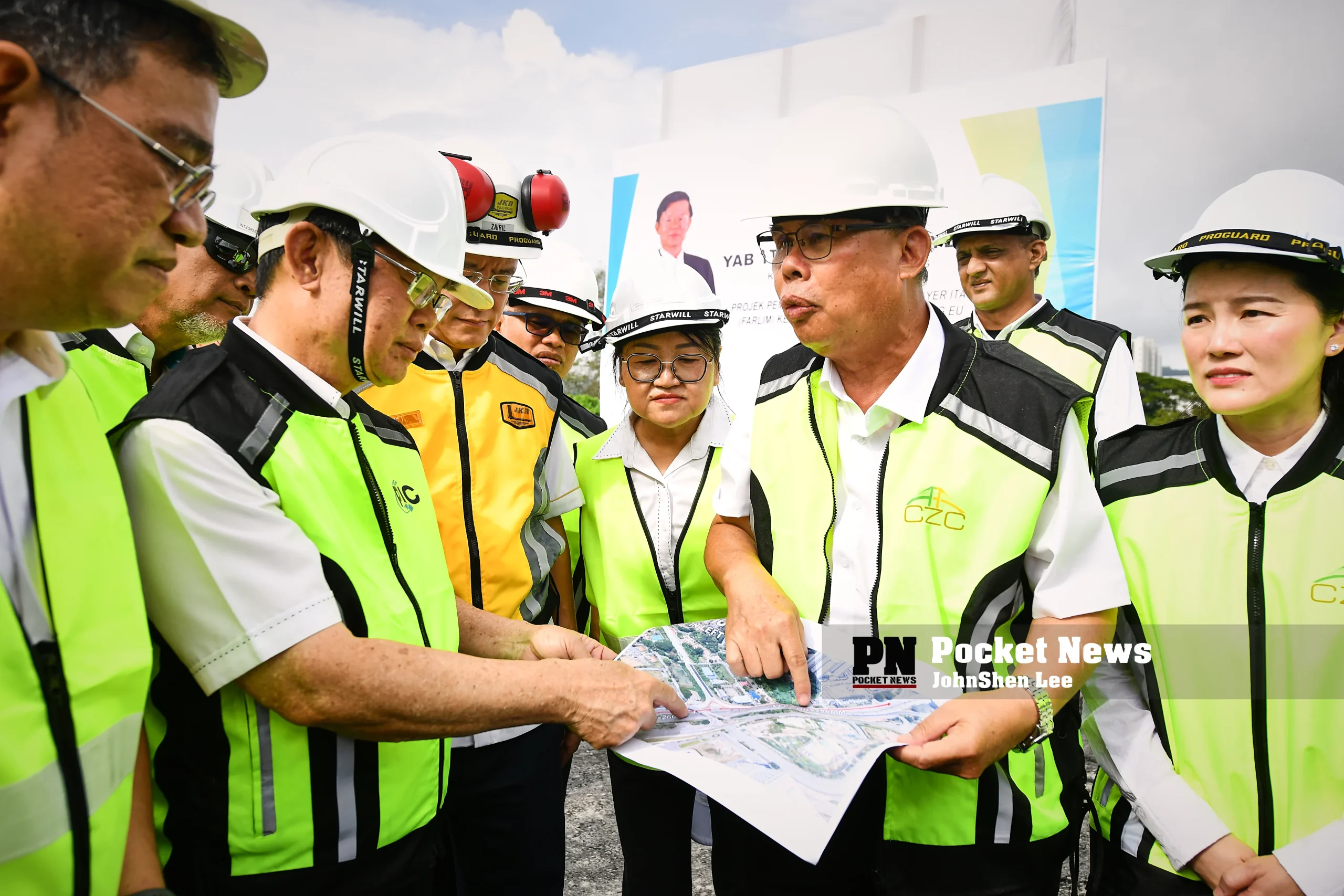
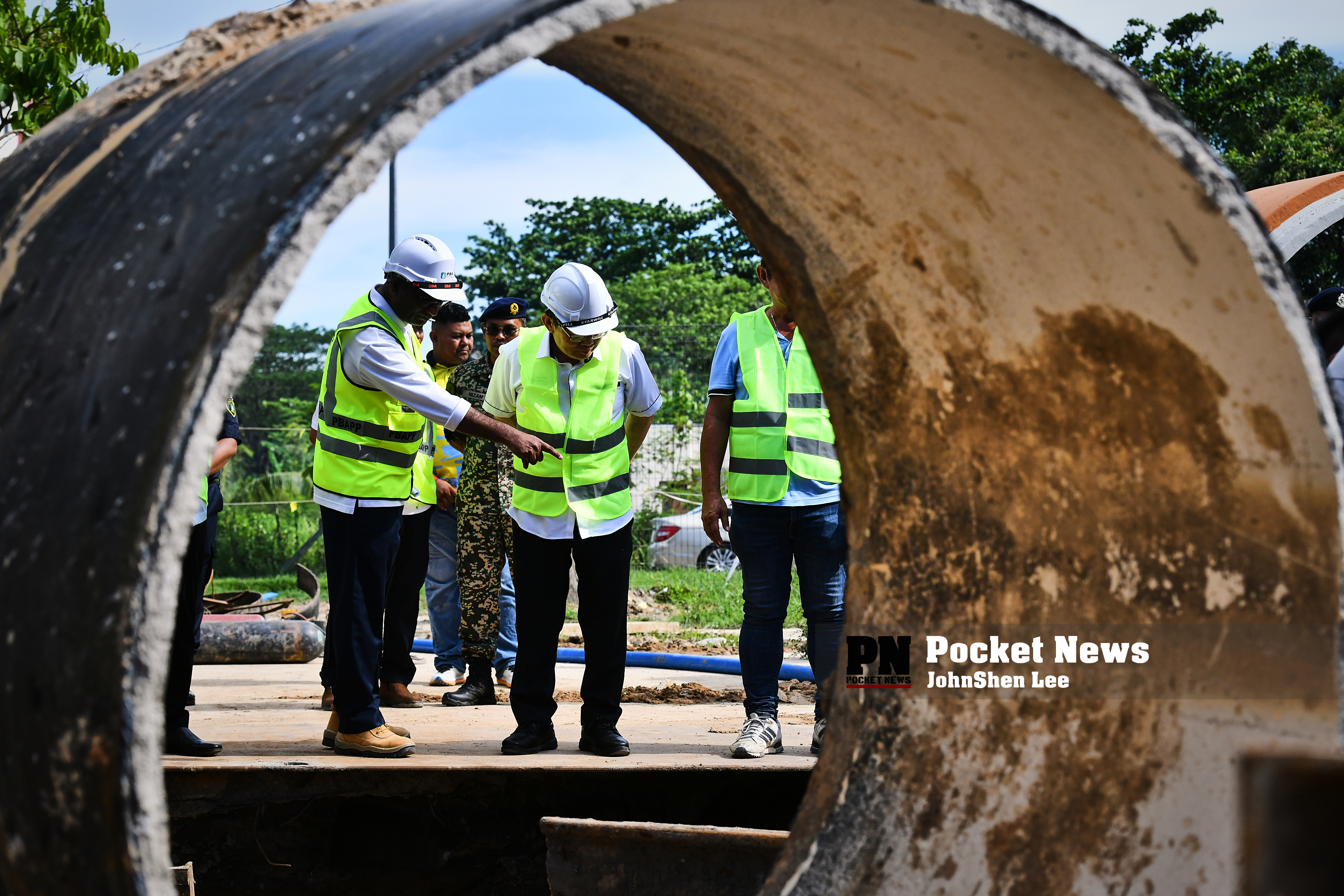
To address Penang’s projected water demand of 1,532 MLD by 2030, PBAPP has initiated Phases 2 and 3 of WCP 2030, including the construction of four new water treatment plants and two major treated water pipelines to improve distribution, particularly in high-ground and end-of-line areas.
Phase 2 of WCP 2030, which commenced in May 2025, involves new WTPs in Mengkuang Park, Sungai Kerian, Sungai Perai, and Sungai Muda, unlocking new water sources and increasing output by 478 MLD.
Phase 3, scheduled to begin later this year, will lay critical pipelines connecting the Sungai Dua WTP to Penang Island. These efforts aim to reduce dependency on Sungai Dua and bolster water resilience across the state.
PBAHB also reported progress in other projects, including the deployment of a compact WTP at Sungai Kerian, upgrades to the Bukit Dumbar facility, and the replacement of nearly 96 km of aging pipelines.
The group also aims to lower Penang’s domestic water consumption target to 250 litres per capita per day (LCD), from 261 LCD in 2024, which remains above the national average. Chairman YAB Tuan Chow Kon Yeow and CEO Dato’ Ir. Pathmanathan K. affirmed PBAHB’s commitment to sustainable and forward-looking water management.
As climate change and limited raw water resources pose ongoing threats, PBAPP continues to focus on securing Penang’s water future through innovation, infrastructure, and public cooperation.