


Summary
- Anwar Ibrahim marks four years as Malaysia’s 10th prime minister, with progress in economic recovery, fiscal management and political stability.
- His administration has introduced subsidy reforms, expanded financial assistance, attracted foreign investments and pursued institutional reforms.
- Growing disagreements within the ruling coalition, public dissatisfaction and unfulfilled reform expectations present challenges ahead of GE16.
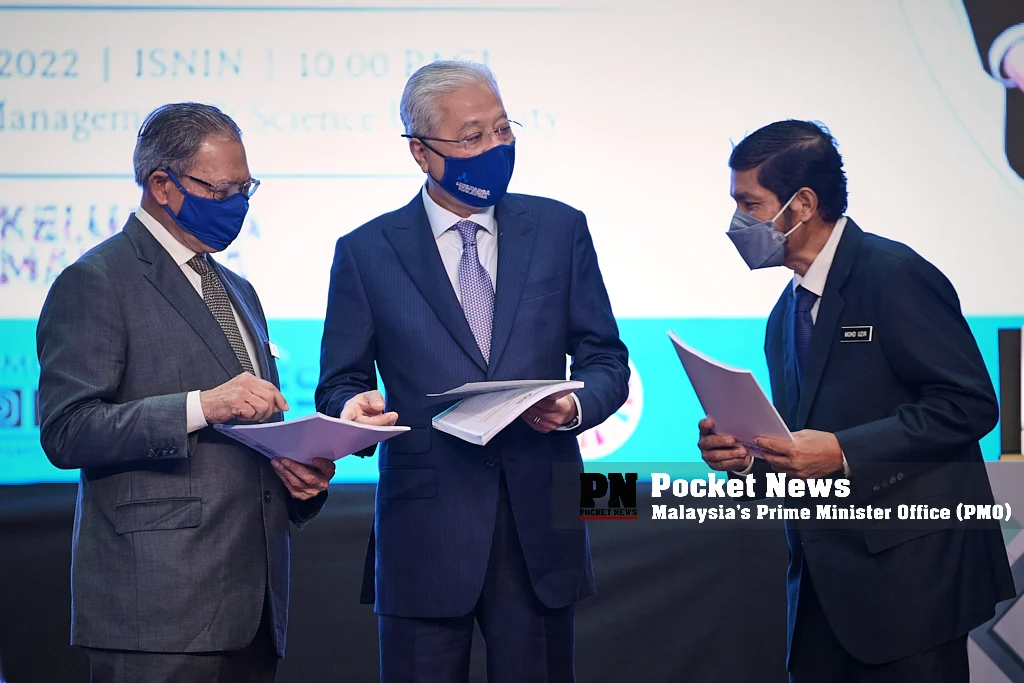
KUALA LUMPUR, November 25 — Prime Minister Anwar Ibrahim marks four years in power today, with his administration recording economic progress and greater political stability.
While facing mounting challenges in maintaining coalition unity and public confidence. Sworn in on November 24, 2022, following Malaysia’s first hung Parliament.
Anwar formed a unity government comprising former political rivals, ending a period of prolonged political instability. Under his MADANI administration, Malaysia recorded economic growth of 5.6%.
In the first nine months of 2026, while the fiscal deficit narrowed from 5.5% of gross domestic product in 2022 to 4.1% in 2024. His government introduced targeted diesel and RON95 fuel subsidies.
Increased the minimum wage, revised civil servants’ salaries and expanded financial assistance through Sumbangan Tunai Rahmah (STR) and Sumbangan Asas Rahmah (SARA).
Malaysia also attracted major investments in artificial intelligence, semiconductor manufacturing, data centres and digital infrastructure, while strengthening international economic relationships.
And regional diplomacy through its ASEAN chairmanship in 2025. However, economic achievements have not eliminated concerns over living costs, taxation, household purchasing power and the pace of institutional reforms.
Anwar also faces increasing political pressure within his own ruling coalition. DAP secretary-general Anthony Loke’s resignation as transport minister following Najib Razak’s house arrest decision.
Has exposed differences among government allies. Discussions surrounding Pakatan Harapan’s proposed “big tent” strategy, component parties contesting under their respective logos.
And seat-sharing disagreements between DAP and UMNO have highlighted competing political interests within the coalition. While Anwar continues to lead the federal government.
Maintaining cooperation among coalition partners and retaining public confidence remain significant challenges. Reforms involving political financing, institutional independence.
Ad the separation of the attorney-general and public prosecutor’s roles also remain areas of public scrutiny. Marking his fourth anniversary, Anwar acknowledged that much more remained to be done.
Saying the true measure of national progress was whether Malaysians enjoyed better livelihoods and a more secure future. As Anwar enters his fifth year in office, his administration faces the challenge.
Of translating economic growth into tangible improvements for ordinary Malaysians while managing internal political divisions and delivering outstanding reform commitments ahead of the 16th general election.