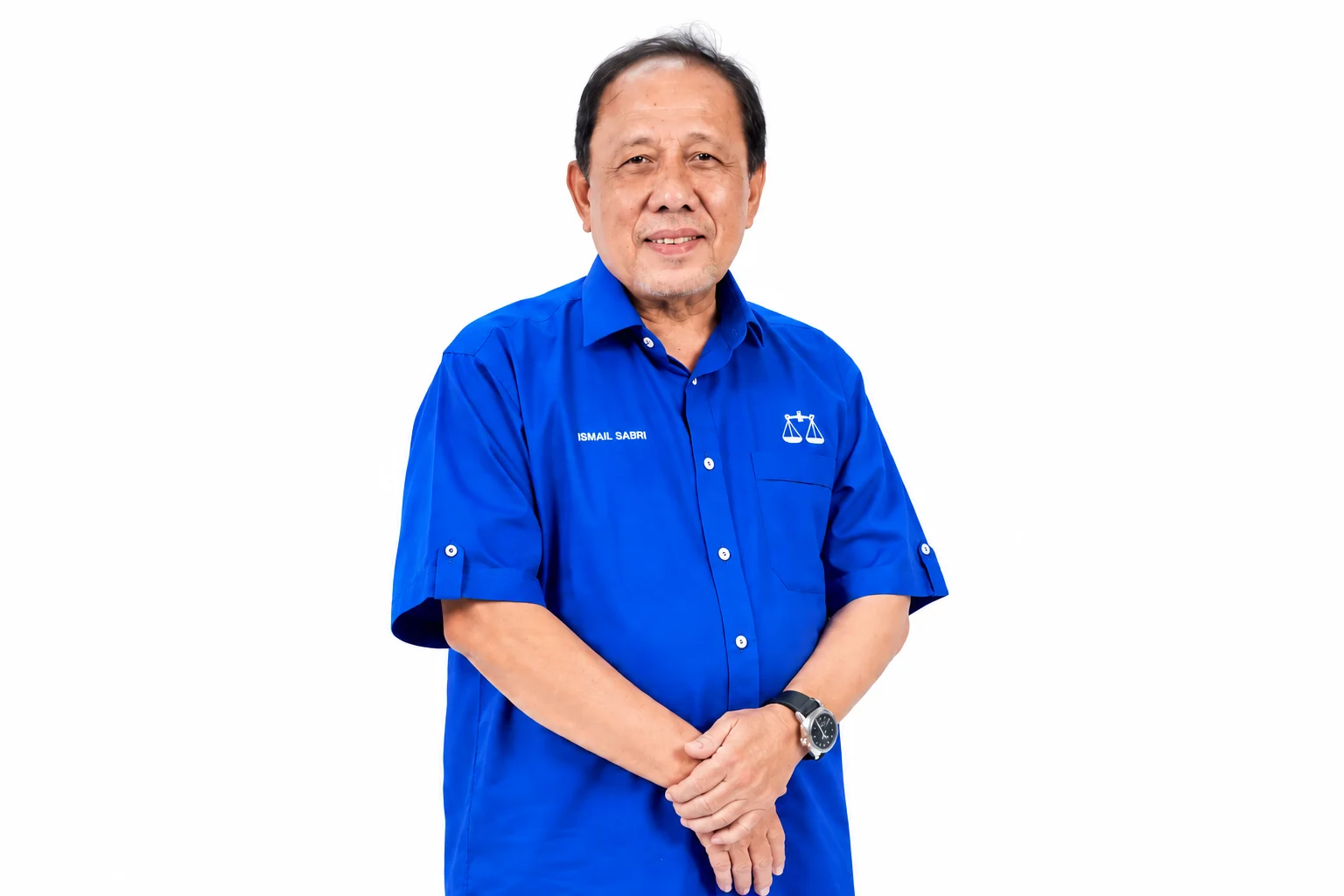


PUTRAJAYA, June 14 – YAB Prime Minister Ismail Sabri chaired the Economic Action Council (EAC) meeting which discussed three key issues related to food security, facilitating business in Malaysia and addressing skilled manpower in the electrical and electronics (E&E) sector.
The discussion involved presentations by Khazanah Research Institute (KRI), Malaysian Productivity Corporation (MPC), Malaysian Semiconductor Industry Association (MSIA) and industry representatives. The meeting made some decisions as follows:
- With regard to food security, the meeting agreed to introduce a moving ceiling price that changes to the input price factor. This is in line with the aid planning to continue to target the needy as announced earlier.
- The agro -food ecosystem is expanded with supply chains led by Government Investment Companies (GLCs), Government Linked Investment Companies (GLICs) and Government agencies. This coordination is to ensure the quality, quantity and production of produce to the optimum level in addition to guaranteed supply. For example, the supply and price of chicken can be controlled if the relevant Government agencies are involved in the livestock industry ecosystem starting from supplying chicks, fodder, transportation, marketing and so on.
- Cooperation between the Federal Government and the State Government will be enhanced in efforts to increase the land area for agricultural use. This is to reduce dependence on food imports. This matter will be discussed further in meetings with the Menteri Besar and Chief Minister in the near future.
- Enhance focused public and private collaboration
towards modernization efforts and encouraging smart agriculture in increasing agricultural yields. This initiative will be supported through efforts to consolidate farmland, fallow land and waqf land. - Ensuring that agricultural produce has a market such as encouraging contract farming where farmers and ranchers have no problem to match the production of agricultural produce with market demand.
- The Government, through the Special Task Force on Business Facilitation (PEMUDAH), will continue to work to modernize regulations-
business -related regulations to boost national productivity and competitiveness. The meeting agreed to strengthen the implementation of MyMudah in all Ministries, Federal Agencies, States, Local Authorities (PBT) and Business Associations. - The meeting also agreed to intensify the rule testing program organized by MyMudah Units with the target of resolving the issue within 60 days compared to 6 to 12 months previously. Interviews of foreign workers will be conducted in the states instead of just at the One Stop Center (OSC) of the Ministry of Human Resources, Putrajaya. The Government will strengthen the OSC which involves all Ministries and Agencies related to the process of entry of foreign workers.
- Furthermore, to address the issue of a serious shortage of skilled manpower in the electrical and electronics (E&E) sector, the Government has in principle agreed to:
- Implement “Train & Place Program for Engineers & Technicians” to 1,000 engineers and 1,000 technicians; and
- Improving and accelerating the recruitment mechanism for expatriates and foreign workers.
- The Ministry of International Trade and Industry (MITI), the Malaysian Investment Development Authority (MIDA) and the Ministry of Human Resources (KSM) will coordinate with the Malaysian Semiconductor Industry Association (MSIA) to immediately address the issue.
this shortage of manpower.
The Government is committed to a viable study that has the potential to be strategically utilized to meet global challenges to ensure a more inclusive and comprehensive food security ecosystem for the well -being of Malaysian families.