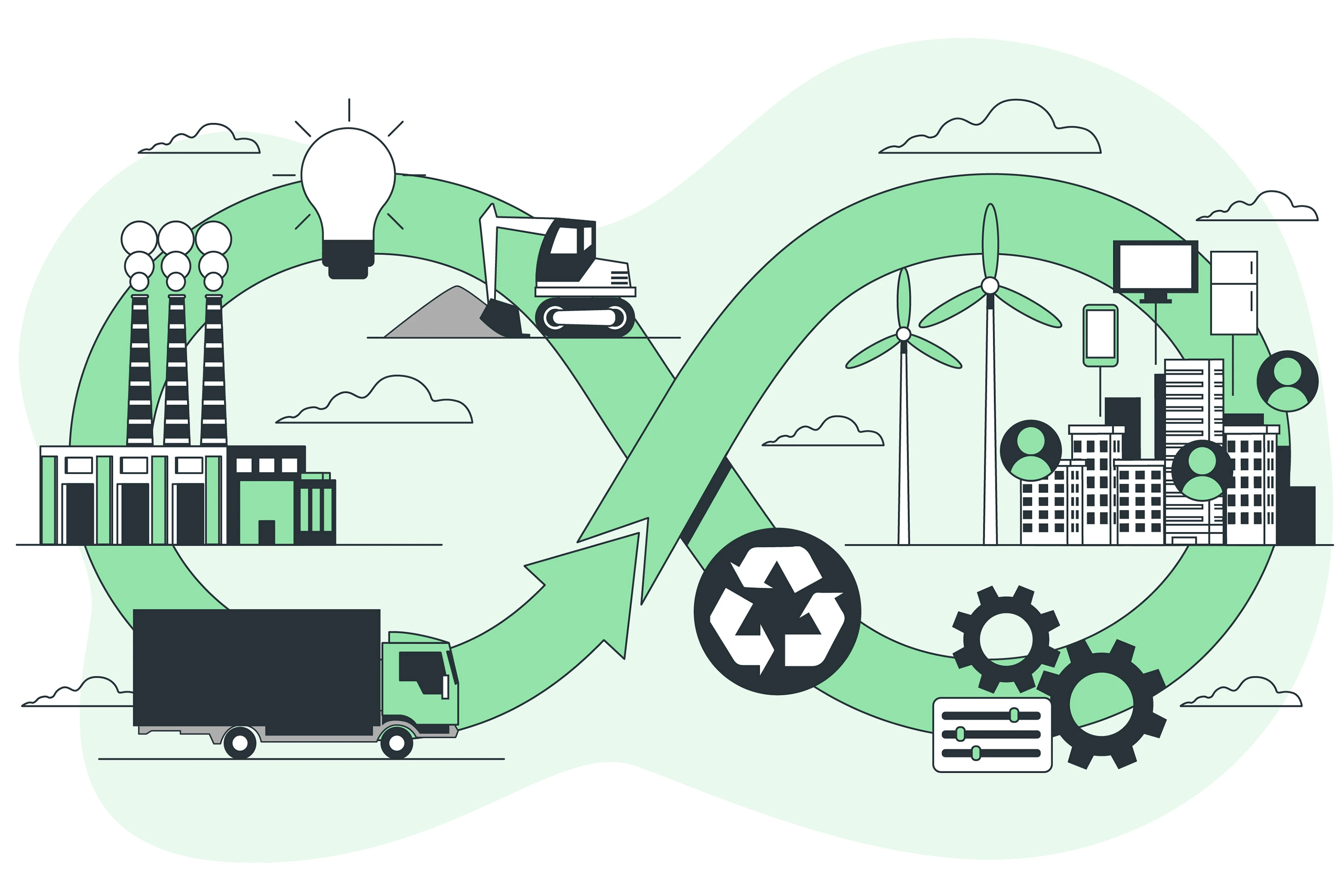



KUALA LUMPUR, January 17 — Malaysia is poised to adopt the circular economy (CE) as a transformative model for sustainable growth, aligning with the principles of the Malaysia MADANI framework. The CE approach—focused on reusing, recycling, and regenerating resources—offers solutions to global challenges like climate change and resource scarcity.
Insights from international platforms, including the 29th Conference of the Parties (COP29), highlight Malaysia’s potential to innovate in sectors such as waste-to-energy, modular construction, and regenerative farming, bolstering economic resilience and environmental stewardship.
Urban centers like Kuala Lumpur and Penang are critical to implementing CE practices, with opportunities in smart recycling and urban agriculture. Reports like ICLEI’s Circular Cities Declaration underscore the importance of integrating CE into urban planning to enhance sustainability, food security, and resilience.
By aligning with MADANI’s pillars of innovation, trust, and sustainability, Malaysia can advance CE at scale, addressing challenges such as limited infrastructure and public awareness while ensuring socio-economic inclusivity.