


Summary
- Anwar warns government officials to resign over inappropriate remarks during official proceedings.
- Malaysia receives RM9.2 billion in indicative investment proposals from Chinese companies.
- Anwar says confidential Pardons Board documents may be declassified through court proceedings.
- Civil society groups call for greater transparency over royal pardon decisions.
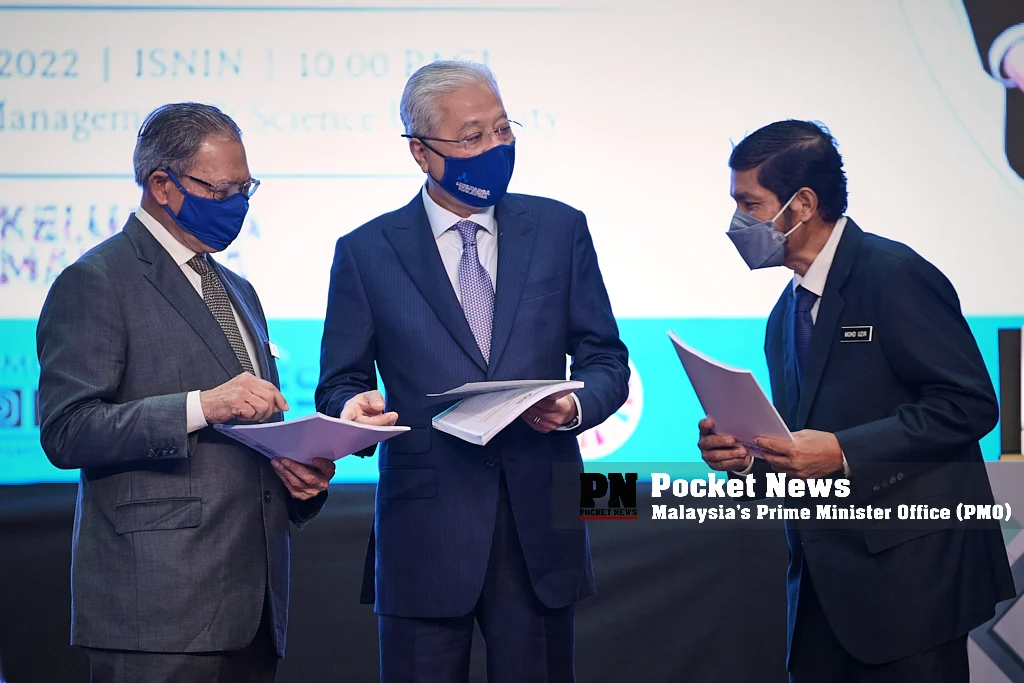
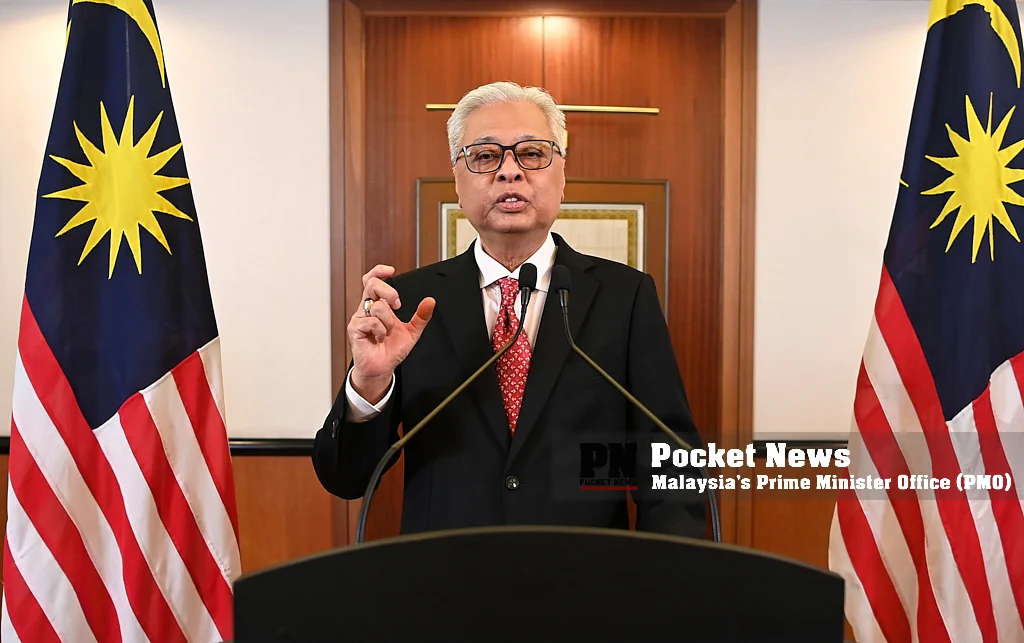
SHENZHEN, November 20 — Prime Minister Anwar Ibrahim addressed government conduct, Chinese investment proposals and the controversy surrounding former Prime Minister Najib Razak’s house arrest.
Following the 2026 APEC Economic Leaders’ Meeting in China. Anwar warned that government officials making inappropriate remarks during official proceedings should resign or be advised to step down.
He accepted Deputy Works Minister Ahmad Maslan’s apology for using the derogatory Malay expression “kencing” in Parliament, stressing that political disagreements should instead be raised through Cabinet discussions.
Meanwhile, Anwar announced that Malaysia had received RM9.2 billion in indicative investment proposals following meetings with more than seven Chinese companies.
The proposed investments involve projects in Kedah, Penang, Selangor and Pahang, with further details expected from the Malaysian Investment Development Authority (MIDA).
On Najib’s conditional pardon, Anwar confirmed that the relevant documents were originally classified under the Official Secrets Act but said court proceedings could provide grounds for declassification.
However, he did not confirm the documents’ current classification status, saying the government would provide an update.
The controversy follows the circulation of purported Pardons Board minutes indicating objections from the Attorney General and Federal Territories minister to Najib’s house arrest.
Civil society groups Projek Sama and Bersih have urged greater transparency, including the disclosure of records relating to Anwar’s own royal pardon in 2018.
The groups said pardon decisions should remain open to public scrutiny while protecting confidential and sensitive information.