


Summary
- Government maintains existing Solar ATAP electricity credit mechanism.
- Higher credits of 75% to 100% could increase costs for non-solar households.
- SuRIA Home initiative aims to reduce upfront solar installation costs.
KUALA LUMPUR, October 30 — Malaysia will maintain its existing Solar ATAP credit mechanism, citing concerns that higher incentives could increase electricity costs for households without solar panels.
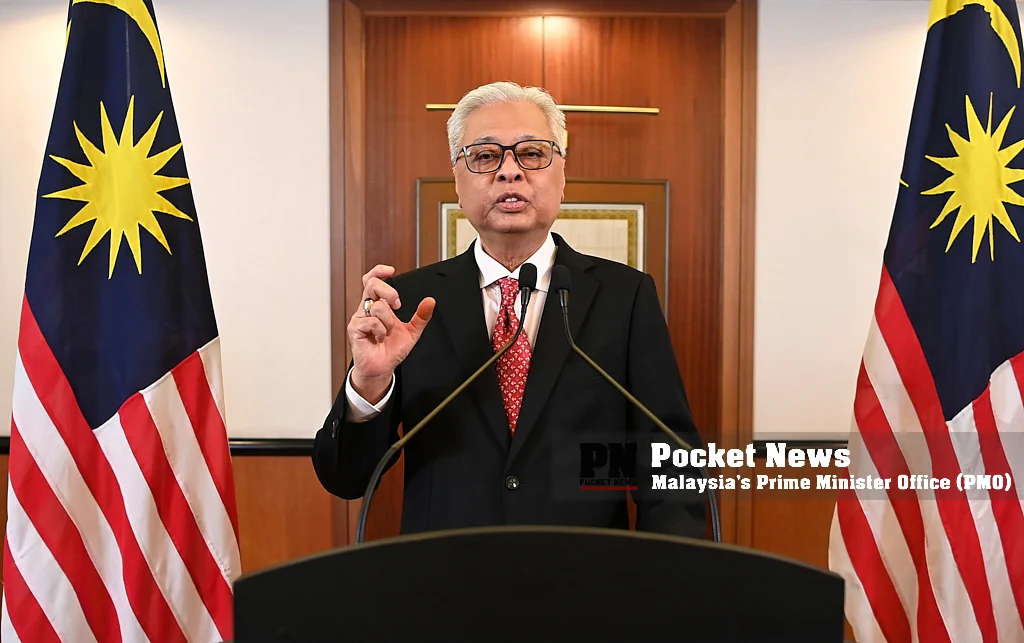
Deputy Prime Minister Fadillah Yusof said proposals to raise credits to 75% or 100% of retail tariffs require further financial and technical assessments.
Currently, surplus solar electricity exported to the grid is credited against the energy charge component rather than the full retail tariff.
Fadillah said the programme prioritises household self-consumption, while the SuRIA Home initiative aims to make residential solar installations more affordable.
He explained that retail electricity tariffs also cover grid infrastructure and services required when solar generation is insufficient.
The government will monitor programme performance and consider future improvements based on technical studies and economic assessments.