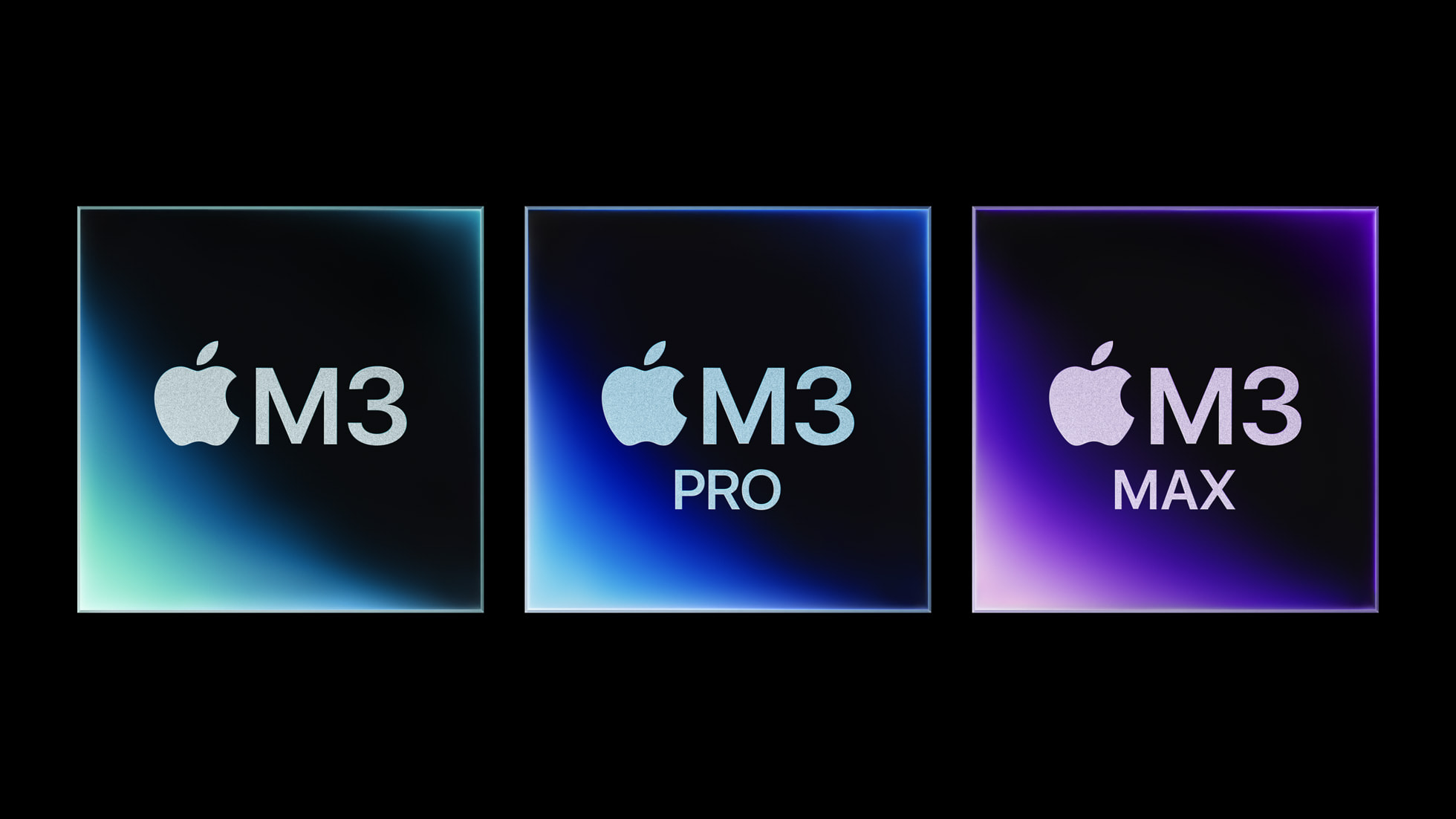



CUPERTINO, CALIFORNIA, October 31 – Apple, headquartered in Cupertino, California, has introduced a revolutionary leap in silicon technology with the unveiling of the M3 family of chips. Comprising the M3, M3 Pro, and M3 Max, these chips mark a milestone in personal computing. They are the world’s first personal computer chips developed using the 3-nanometer process technology, underscoring Apple’s commitment to advancing computing capabilities and efficiency. The most prominent feature of the M3 family is the next-generation GPU, a paradigm shift in graphics architecture.
It introduces Dynamic Caching, which optimally allocates local memory, resulting in remarkable performance improvements. Hardware-accelerated ray tracing, a Mac debut, creates physically accurate and immersive visuals. Mesh shading enhances geometry processing, making graphics-intensive tasks more efficient. These upgrades are achieved without compromising power efficiency. The M3 family not only elevates the GPU but also redefines the CPU architecture. Performance cores are 30% faster, ideal for resource-intensive tasks like software development and audio production.

Efficiency cores offer a 50% boost in performance, enhancing everyday tasks while preserving battery life. The CPU’s multitasking capabilities are improved while using less power, achieving up to 35% more performance at peak power. The M3 family continues Apple’s tradition of a unified memory architecture, delivering high bandwidth, low latency, and superior power efficiency. This architecture reduces memory requirements for most tasks. Notably, support for up to 128GB of memory is introduced, enabling data-intensive applications.
The Neural Engine in M3, M3 Pro, and M3 Max is 60% faster, enhancing machine learning tasks while prioritizing data privacy. The advanced media engine provides hardware acceleration for popular video codecs, and now supports AV1 decoding, extending battery life during streaming. Apple’s M3, M3 Pro, and M3 Max chips represent a significant leap in personal computing, pushing the boundaries of performance, graphics, and efficiency. These chips are poised to power the new MacBook Pro and iMac, promising a future of enhanced computing experiences.