


Summary
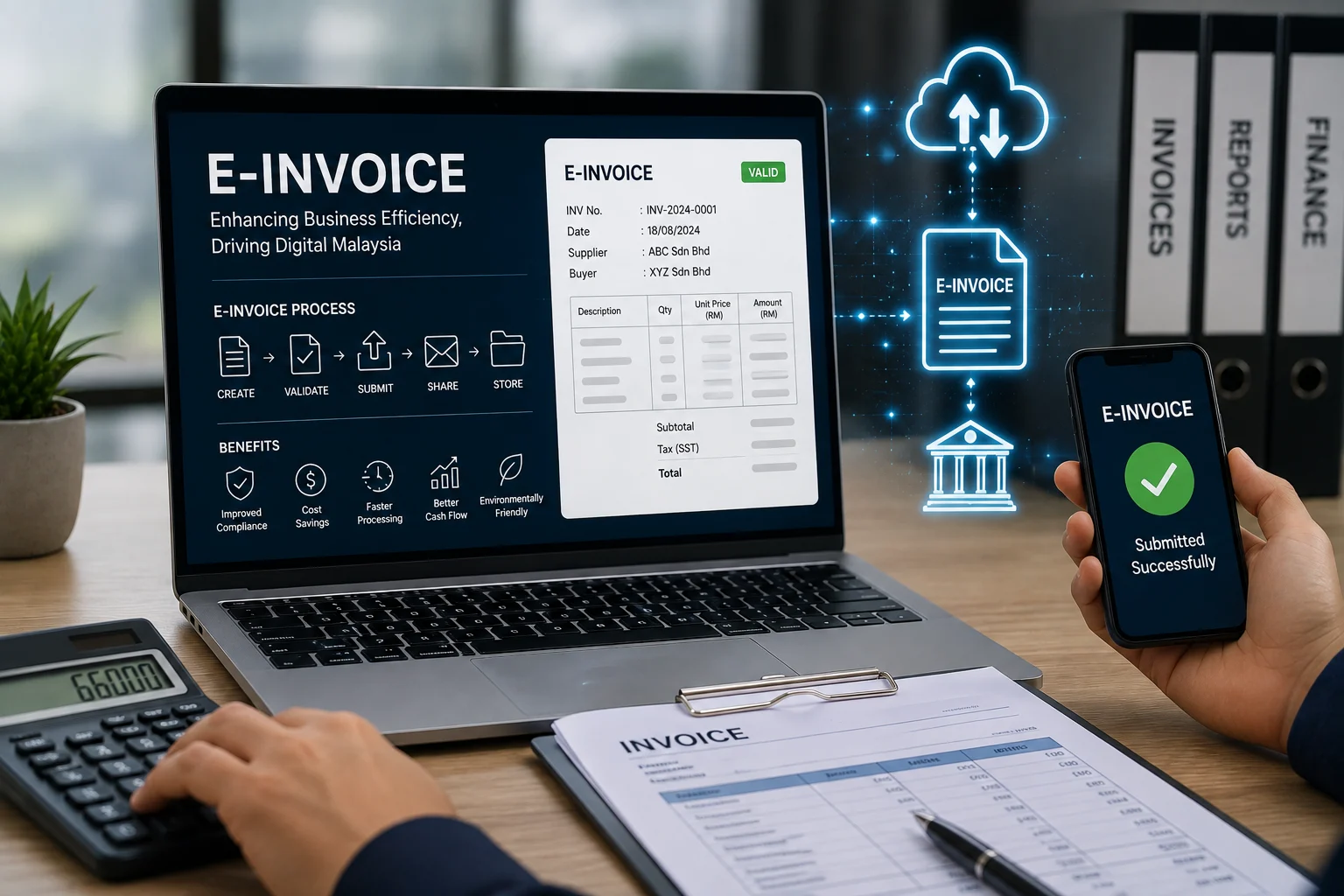
- Finance Ministry says e-invoicing is necessary despite concerns from businesses.
- Policy aims to improve transparency and reduce Malaysia’s shadow economy.
- Shadow economy is estimated at RM300 billion to RM330 billion annually.
- Budget 2027 will focus on economic resilience, jobs and cost-of-living pressures.
PUTRAJAYA, August 19 — Malaysia’s Finance Ministry has defended its phased e-invoicing policy as a necessary step to improve business transparency and reduce the country’s shadow economy.
Finance Minister II Amir Hamzah Azizan acknowledged that economic reforms can be unpopular but said they were necessary for long-term prosperity.
Malaysia’s shadow economy is estimated at RM300 billion to RM330 billion annually. Some small businesses have raised concerns over compliance costs and technical complexity.
Amir said Budget 2027 will also prioritise economic resilience, quality jobs, higher incomes and cost-of-living pressures while strengthening fiscal sustainability.