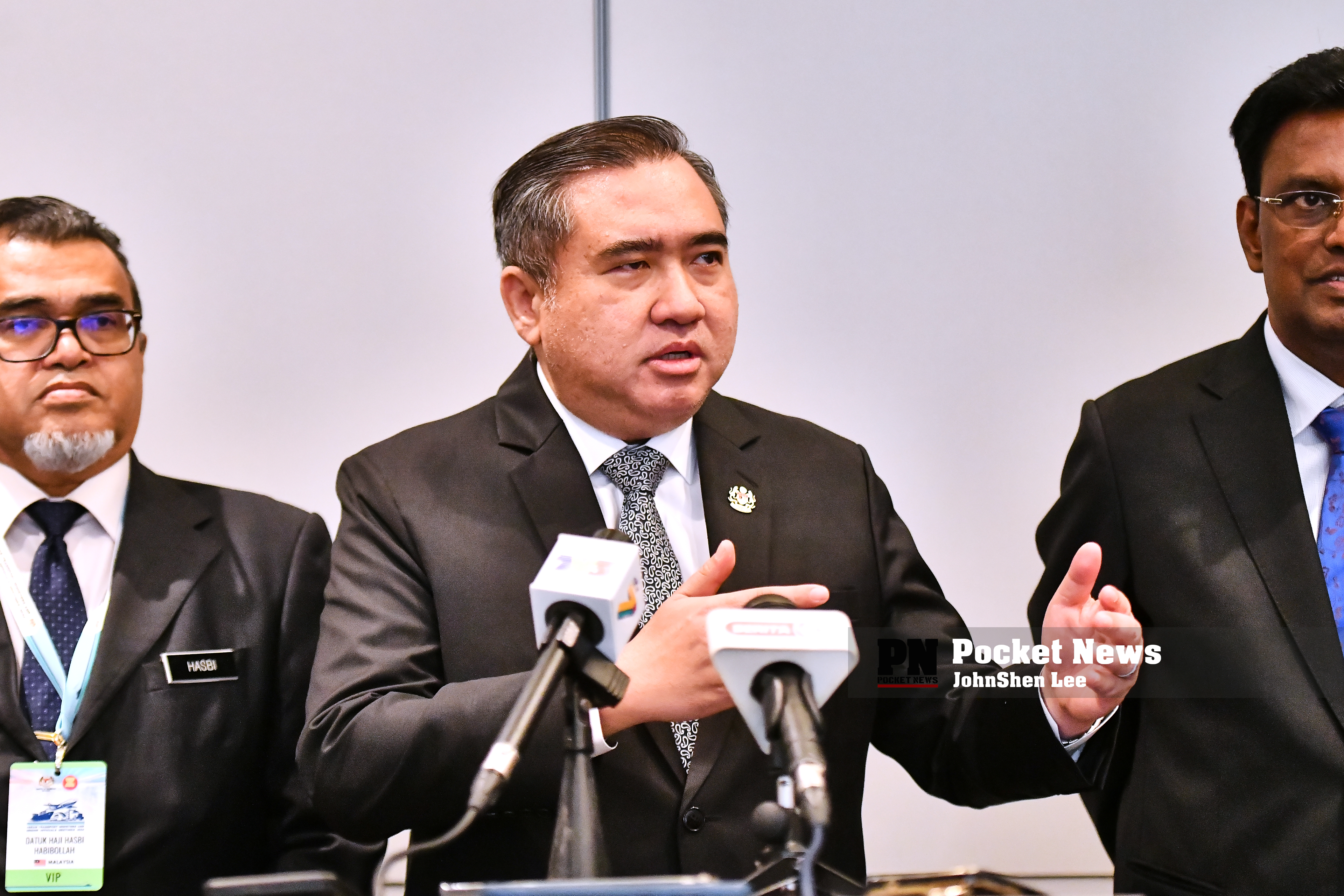



PUTRAJAYA, September 11 — Transport Minister Anthony Loke announced today that Petroliam Nasional Berhad (Petronas) is set to produce sustainable aviation fuel (SAF) by 2028 as part of Malaysia’s efforts to achieve net zero carbon emissions in the aviation industry by 2050. Speaking at the National Aviation Consultative Council meeting, Loke emphasized that Petronas is already laying the groundwork for SAF production, with hopes that it will eventually reduce the high costs currently associated with the fuel.
Loke acknowledged the financial challenges posed by SAF, which is about three times more expensive than conventional jet fuel. While local airlines have yet to adopt SAF due to cost constraints, the minister is optimistic that production beginning in 2028 will make SAF more affordable for the industry. Other strategies to cut emissions, such as carbon credits and operational efficiency improvements, are also being explored to reduce the environmental impact of aviation.
In conjunction with the announcement, Loke unveiled the Malaysian Aviation Sector Decarbonisation Roadmap (MADB), a blueprint to achieve carbon reduction by 2050. The roadmap outlines strategies in four areas: aircraft technology, operational enhancements, sustainable aviation fuel, and market-based measures, each contributing to significant reductions in emissions over the coming decades.

















