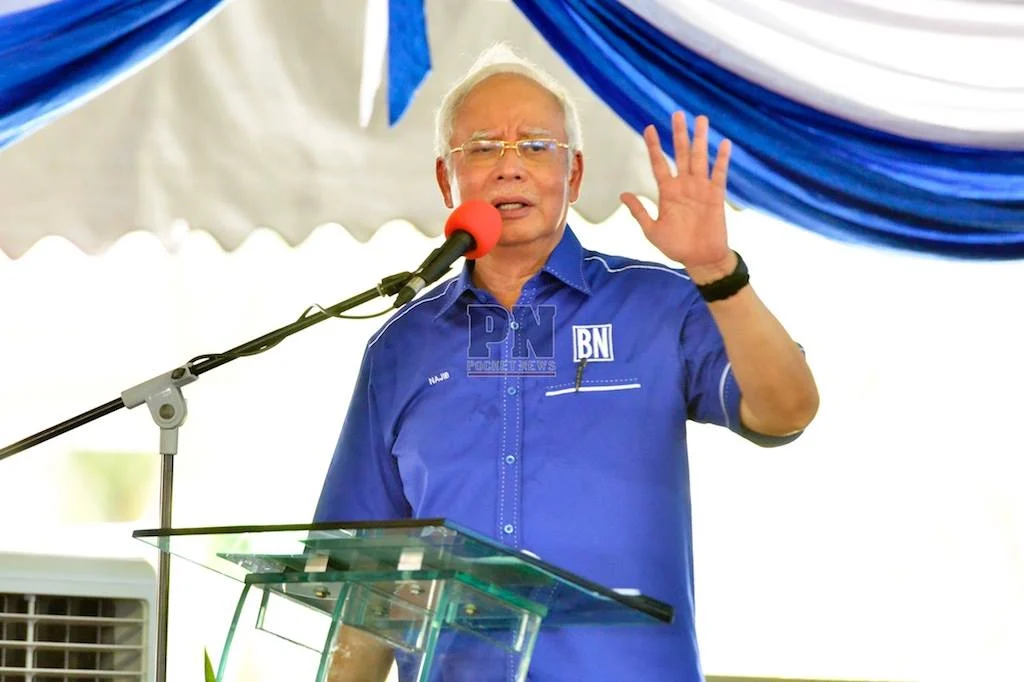



KUALA LUMPUR, May 4 — A recent commentary has reignited debate over the legacy of Najib Razak, arguing that several of his economic policies.
During his 2009–2018 administration are now being validated amid current global and domestic pressures.
The opinion suggests that measures such as fuel price floatation, the introduction of the Goods and Services Tax (GST).
And early initiatives in electric vehicle development were pragmatic responses to rising oil prices and Malaysia’s shift to a net oil-importing nation.
The article also claims that policies once criticised — including foreign investments, cash aid schemes, and large-scale infrastructure projects — are now being continued or adapted by subsequent governments.
It further argues that ongoing inflation, subsidy rationalisation, and evolving tax frameworks reflect challenges Najib’s administration had anticipated.
While acknowledging controversies surrounding his tenure, the piece frames current policy directions as evidence that earlier economic strategies may have been more forward-looking than previously perceived.