


KUALA LUMPUR, October 10 — The Malaysian Government is making public mobility a central pillar of Budget 2026, with a strong focus on enhancing connectivity, safety, and sustainability nationwide. Prime Minister Datuk Seri Anwar Ibrahim said mobility is the lifeline of the people’s economy, not just infrastructure.
Nearly RM200 million has been allocated to expand stage bus routes, including new services in Johor Bahru ahead of the RTS Link, while RM209 million will subsidise rural air services in Sabah and Sarawak. The MyRailLife Pass offering free KTM Komuter and Shuttle DMU rides will now include all children under six, ensuring better accessibility for families.
Major rail projects are also progressing rapidly. The ETS line now reaches Kluang and will connect to Johor Bahru by the end of 2025, while LRT3, linking Bandar Utama to Klang, is set to begin operations next year, serving up to 6,200 passengers per hour.
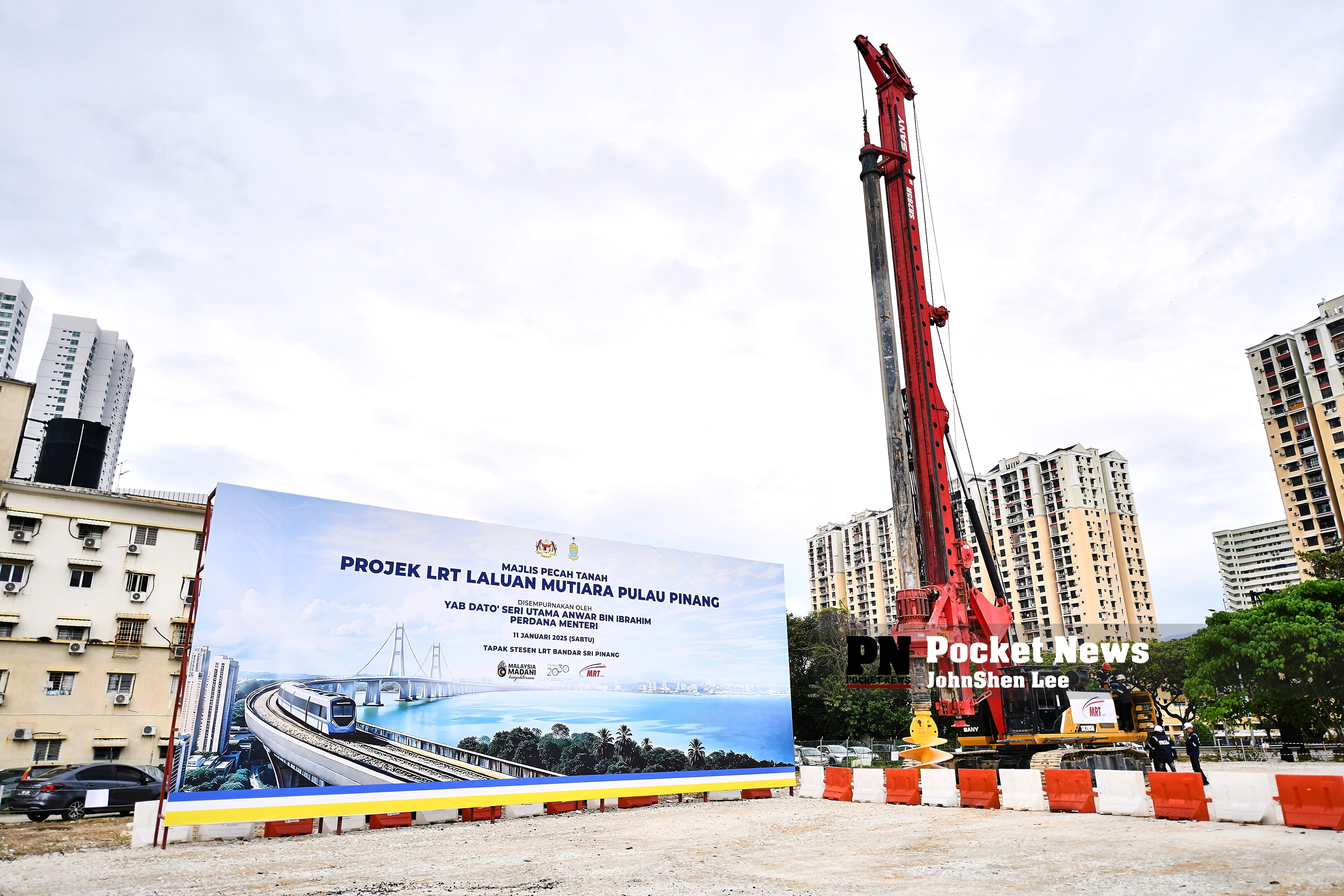
The ECRL Phase 1, connecting Kota Bharu to Gombak, remains on schedule for completion by end-2026, reducing travel time from Kelantan to Kuala Lumpur to just four hours. Meanwhile, construction of Penang’s LRT Mutiara Line will commence soon, benefiting 1.8 million residents and 3.5 million annual visitors.
In promoting greener mobility, Prasarana will add 310 new buses and 300 on-demand vans by early 2026, while 1,450 electric buses and 300 electric vans will be deployed nationwide by 2030. To improve road safety, the government has allocated RM2.5 billion for federal road maintenance and upgrades, alongside RM5.6 billion under MARRIS for state roads and RM30 million for local repairs via the MYJalan app.
New measures include stricter speed limits for heavy vehicles, expanded PERKESO health screenings for drivers, and accelerated tax allowances for firms installing speed limiters. A RM4,000 matching grant will also be offered to encourage the scrapping of vehicles over 20 years old, promoting safer roads and supporting national automotive growth.